
AI's Massive Energy Hunger: Why 2026 Could Force Us to Rethink Our Power Future
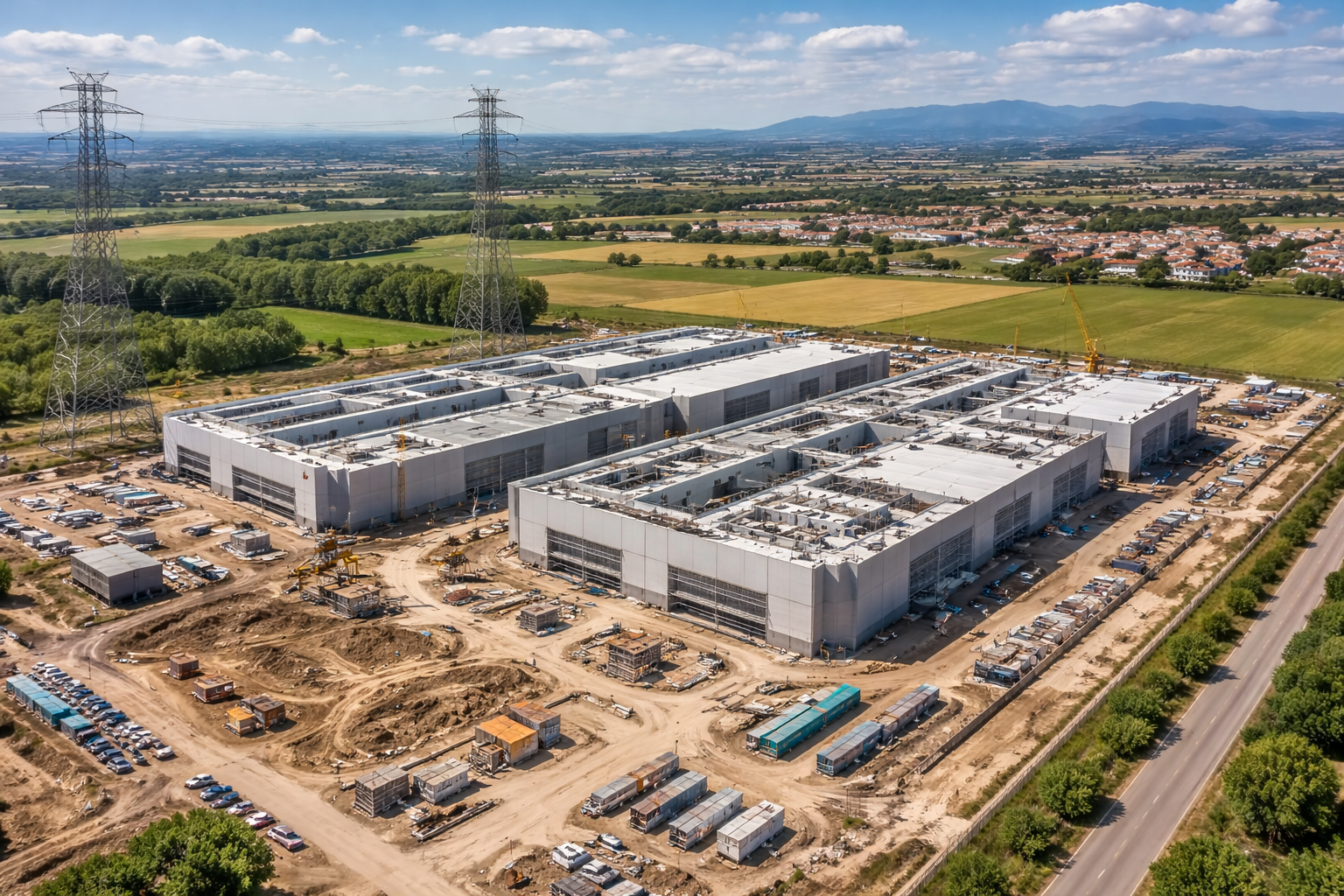
It's January 2026, and if you've been paying attention to tech headlines lately, one thing keeps popping up over and over: artificial intelligence is eating electricity like never before. Data centers powering the latest AI models are driving up global power demand at a pace that has experts both excited and worried. This isn't just another tech trend. It's quickly becoming one of the defining challenges of the year, blending innovation with real questions about sustainability, infrastructure, and how we keep the lights on.
The numbers tell a stark story. AI training and inference for large models require enormous computing power, and that translates directly to megawatts of electricity. Reports from energy analysts show that the surge in AI adoption, especially from generative tools and agentic systems, is pushing data center energy use higher than many forecasts predicted just a year ago. In some projections, AI-related demand could add the equivalent of entire cities' worth of consumption in the coming years. We're already seeing grid operators in key regions scramble to keep up, with concerns about reliability during peak times.
What's driving this? A few big shifts happened in 2025 that set the stage. First, companies moved beyond simple chatbots to more advanced "agentic" AI that can plan, reason, and act across tasks. These systems need constant processing, which means more servers running longer. Second, the race to build bigger and better models hasn't slowed down. Every new breakthrough seems to require exponentially more compute. Add in the boom in robotics and physical AI applications, and the energy appetite grows even larger.
On the flip side, this pressure is sparking some creative solutions. People are talking more seriously about pairing AI growth with clean energy expansion. Nuclear power, both traditional plants and smaller modular reactors, is getting fresh looks because it provides steady, carbon-free baseload power that renewables alone sometimes struggle to match. Geothermal, advanced battery storage, and even efficiency improvements in chip design are part of the conversation too. The idea of "Green AI" is gaining traction, where developers focus on performance per watt instead of just raw capability. Techniques like model compression and smarter scheduling help reduce the footprint without sacrificing too much quality.
But challenges remain. Building new power infrastructure takes time, often years, while AI companies want capacity right now. In places like the US, Europe, and parts of Asia, grids face bottlenecks. Water use for cooling data centers adds another layer of strain in drought-prone areas. And there's the bigger picture: if AI keeps growing without enough clean energy to back it, emissions could rise even as other sectors try to decarbonize. That creates tension between tech progress and climate goals.
For everyday people, this might show up in higher electricity bills in some regions or occasional reliability issues. Businesses outside tech are starting to feel it too, as energy costs factor into everything from manufacturing to cloud services. Policymakers are watching closely. Some governments are already pushing incentives for data centers to locate near renewable sources or invest in grid upgrades.
Looking ahead, 2026 feels like the year when this issue moves from specialist reports to mainstream discussion. Tech leaders will likely face tougher questions about energy responsibility. Investors are eyeing companies that can solve the power puzzle, whether through better hardware, software optimization, or new energy tech. And for the rest of us, it's a reminder that even the most futuristic innovations are grounded in very physical realities like watts and wires.
The exciting part is the innovation this pressure could unleash. History shows that constraints often drive breakthroughs. Maybe we'll see faster progress on fusion, smarter grids, or AI systems designed from the start to be far more efficient. Or perhaps the conversation will push us toward a more balanced approach to tech adoption, one that weighs benefits against costs more carefully.
What do you think? Is the AI energy boom a crisis we need to solve urgently, or just the growing pains of transformative technology? Either way, it's clear 2026 won't let us ignore it.
Comments1
Join the conversation
Log in to share your thoughts with the community.
Login to Comment